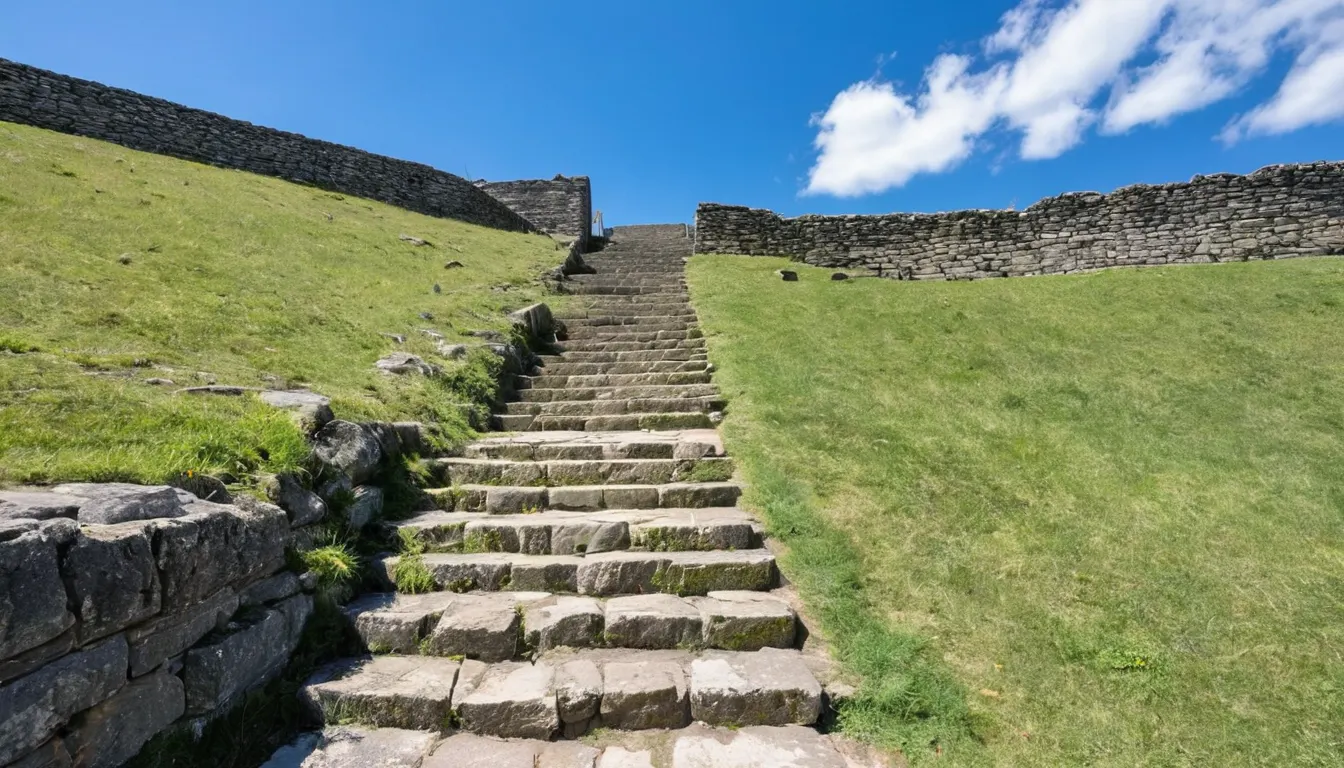
Why there are so many
The steep, flat-topped hills of the Sahyadri make natural strongholds. Many were fortified long before the seventeenth century, but the forts are best known through Shivaji Maharaj, who built and captured dozens of them while founding the Maratha state. In 2025 a group of twelve Maratha forts, eleven of them in Maharashtra, was inscribed on the UNESCO World Heritage List as the Maratha Military Landscapes of India.
Choosing a fort
| Fort | Near | Effort | Why go |
|---|---|---|---|
| Sinhagad | Pune | Easy to moderate; road goes close to the top | Views over Pune, the story of Tanaji Malusare, snacks at the top |
| Raigad | Mahad, Raigad district | Long stairway, or a ropeway when running | Shivaji's capital, site of his coronation in 1674 |
| Shivneri | Junnar, north of Pune | Moderate stairs and gates | Birthplace of Shivaji Maharaj |
| Rajgad | Southwest of Pune | Strenuous trek | Shivaji's earlier capital, huge ramparts on three spurs |
| Lohagad | Near Lonavala | Moderate, well-made steps | A good first trek, combined with Bhaja caves |
| Pratapgad | Mahabaleshwar | Easy to moderate | Site of the 1659 encounter with Afzal Khan |
| Harihar | Near Nashik | Steep rock-cut steps; exposed | The famous near-vertical stairway. Not for anyone uneasy with heights |
Effort ratings are general. Your experience will depend on heat, rain, crowds and your own fitness.
Raigad in more detail
Raigad sits on an isolated summit in the hills inland from the Konkan coast. You can climb the long stone stairway from the base, which takes a few hours for most people, or take the ropeway when it is operating. On top are the remains of the royal complex, the market street, the Jagdishwar temple and Shivaji Maharaj's samadhi. Carry water and start early; there is little shade on the climb.
Sea forts
Some of the most striking forts are on the coast. They are reached by boat, and boat services usually stop during the monsoon.
- Murud-Janjira: an island fortress held for centuries by the Siddis and never taken by the Marathas. Boats leave from Rajapuri near Murud.
- Sindhudurg: built on an island off Malvan under Shivaji Maharaj in the 1660s. See the Konkan guide.
- Vijaydurg and Suvarnadurg: quieter coastal forts that reward travellers with a car and time.
Safety on the hills
- Check notices first. District authorities and the forest department sometimes restrict access to forts and waterfalls, especially in the monsoon.
- Start early. Heat and afternoon storms make late starts harder, and you want to be down before dark.
- Wear proper shoes. Stone steps and laterite paths are slippery when wet.
- Carry water and some food. Stalls may be closed on weekdays or in bad weather.
- Stay off edges and exposed steps in rain or wind. Rock steps that feel fine in October can be dangerous in July.
- Go with others. For harder forts, a group or a local guide is far safer than going alone.
Many forts are protected monuments and places of deep respect for Maharashtrians. Don't scratch walls, leave litter or play loud music.
When to go
October to February is the most comfortable season. The monsoon months are the most beautiful, with clouds rolling through the gates and waterfalls on every cliff, but also the most risky, and the most crowded on weekends at the popular forts. Summer climbs are hot; go at dawn.